
When a boiler develops a fault, it rarely happens without warning. Reduced heating performance, strange noises, or repeated shutdowns are often signs that something is not working as it should. Homeowners are often surprised by how methodical the diagnostic process is, with heating engineers following clear steps to identify the exact issue rather than relying on guesswork. Understanding this process can help you feel more informed and confident when arranging a boiler repair.
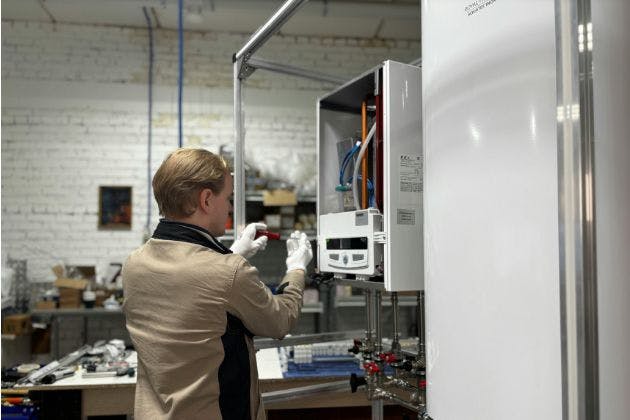
How Heating Engineers Identify Boiler Faults Step by Step
Initial visual inspection and safety assessment
The first hands-on stage is a detailed visual inspection of the boiler and the surrounding area. Engineers look for leaks, corrosion, loose wiring, and signs of overheating on pipework or components. They will also check the flue position and ventilation to confirm fumes can escape safely.
Safety always comes first. If there are concerns around gas safety or electrical issues, the boiler may be isolated while further checks are carried out. This ensures there is no risk to the household during the diagnostic process.
Interpreting fault codes and boiler behaviour
Modern boilers are designed to self-monitor and will display fault codes when something goes wrong. Engineers use these codes as a starting point rather than a diagnosis on their own. A single code can relate to several possible issues, so further testing is always required.
Engineers also observe how the boiler behaves when switched on. Delayed ignition, short cycling, or repeated shutdowns can indicate problems with sensors, airflow, or internal controls that may not be immediately obvious from the fault code alone.
Checking pressure levels and circulation
Incorrect system pressure is one of the most common causes of boiler faults. Engineers will check the pressure gauge and inspect the expansion vessel and pressure relief valve to ensure they are working correctly. They will also look for hidden leaks within the system that could be causing pressure loss.
Circulation is equally important. Poor water flow through radiators or pipework can cause overheating and trigger safety shutdowns. Engineers assess pump operation and check for blockages that restrict movement around the heating system.
Inspecting and testing internal components
Once external checks are complete, the engineer will move on to the internal components. Sensors, fans, pumps, and valves are tested to confirm they are operating within expected ranges. Electrical testing tools are used to check continuity and signal response. Wiring connections and control boards are carefully inspected. Even a small electrical fault can prevent a boiler from firing correctly, so these checks are essential for accurate diagnosis.
Assessing controls and system settings
Not all boiler problems are mechanical. Engineers will review thermostats, timers, and programmer settings to ensure the system is calling for heat correctly. Incorrect settings or faulty controls can mimic more serious boiler faults. They may also check room thermostats and thermostatic radiator valves to ensure they are communicating properly with the boiler and not preventing it from operating as expected.
Gas supply and combustion testing
For gas boilers, engineers confirm that the gas supply pressure is stable and within manufacturer specifications. They may carry out combustion analysis to check how efficiently and safely the boiler is burning fuel. Poor combustion can lead to higher energy bills, unreliable heating, and safety concerns. This stage ensures the boiler will run efficiently once the repair is completed.
Confirming the root cause before repair
Before any parts are replaced, the engineer will confirm the exact cause of the fault. This avoids unnecessary costs and ensures the repair addresses the underlying issue rather than providing a temporary fix. At this stage, homeowners are usually given a clear explanation of what has gone wrong, what needs repairing, and whether the solution is cost-effective based on the boiler’s age and condition.
Book a Professional Boiler Diagnosis in Sheffield, Doncaster and Rotherham
If your boiler is making unusual noises, losing pressure, failing to heat your home properly, or displaying recurring error codes, a professional diagnosis is the safest and most reliable way to find the cause. Early investigation often prevents more serious damage and helps keep repair costs under control. Whittaker Plumbing & Heating offers expert boiler diagnostics. Call 07772222848 or fill out the contact form to schedule a professional boiler inspection and get clear answers about your heating system.