
Blog
How Often Should a Boiler Be Serviced? Homeowner's Guide
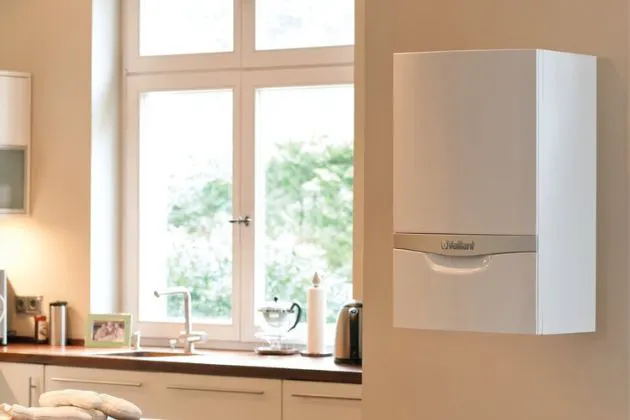
How often should a boiler be serviced? Essential guidance for homeowners
Knowing how often your boiler should be serviced isn't just about ticking a box or keeping paperwork in order. Regular servicing ensures your heating system runs safely and efficiently, helping to prevent unexpected breakdowns during the coldest months. It also extends the lifespan of your boiler, saves you money on energy bills, and gives you peace of mind that your home is warm and secure when you need it most.
The standard recommendation: annual boiler servicing
For most modern boilers the recommended interval is a service once a year. An annual check helps spot small faults before they develop, maintains safe combustion and usually meets the conditions of many manufacturer warranties. Many engineers suggest booking services in late summer or early autumn so any repairs can be made before the heating season begins.
Some home insurance and boiler-cover policies require proof of annual servicing. If you're unsure, check your policy documents so you do not risk invalidating cover.
When to consider a service sooner or more often
- Older boilers: Boilers over 10–12 years old benefit from more frequent attention to manage wear and reduce the risk of sudden breakdowns.
- Frequent pressure drops: Repeated need to top up system pressure can indicate leaks or expansion vessel issues that require investigation.
- Recurring faults: Regular lockouts, persistent error codes or strange noises are reasons to call an engineer rather than waiting for the next routine service.
- Landlords: A gas safety check is required every 12 months for rented properties; many landlords schedule this alongside a full boiler service, especially before a new tenancy.
- After moving home: If you don't have recent service records for your new property, arranging a professional check gives you a clear baseline for future maintenance.
Boiler service vs boiler repair: what's the difference?
A boiler service is a planned, preventative visit. An engineer inspects, tests and cleans components to make sure the boiler operates safely and efficiently. The goal is prevention and maintenance.
A boiler repair is arranged after a fault has occurred. Its purpose is to diagnose and fix the issue, which may involve replacing parts. Repairs can take longer and be more expensive if problems have been left unresolved.
What a proper boiler service includes
Details vary between boiler models and engineers, but a thorough service for a modern gas boiler typically includes:
- Visual checks of the boiler, flue and surrounding installation to ensure correct positioning and no visible damage.
- Removal of the casing to inspect internal components such as the burner and heat exchanger.
- Combustion and flue checks, using a flue gas analyser where appropriate, to confirm the boiler is burning fuel cleanly and expelling gases safely.
- Inspection of seals, joints and pipework for leaks, corrosion or deterioration; any worn gaskets or seals will be flagged for replacement.
- Testing of controls and safety devices, including thermostat function, pressure checks and basic performance assessments.
- Cleaning of accessible components where build-up is affecting efficiency.
At the end of the visit the engineer should record what has been checked and advise you of any recommended follow-up work. Keep this record with your home documents or landlord gas safety certificate.
Before you book: simple homeowner checklist
A little preparation before your appointment can make the visit smoother and help your engineer do a thorough job. It also means key details are at hand if you are booking by phone or online.
- Find the make and model: Check the front of the boiler or the user manual so you can give accurate details when you book.
- Note any symptoms: Write down recent issues such as noises, pressure changes, error codes or intermittent hot water.
- Ensure clear access: Move furniture, coats or stored items so the engineer can easily reach the boiler and, if needed, the flue and gas meter.
- Check documentation: Have any previous service records or manuals ready in case they are useful.
Simple checks homeowners can do between services
You should never remove a boiler case or work on gas components yourself. However, there are safe tasks most homeowners can carry out to keep the system running well:
- Bleed radiators to remove trapped air if you notice cold spots at the top while the bottom is hot. Always turn the heating off, allow radiators to cool and use a suitable radiator key and cloth to catch drips.
- Monitor boiler pressure on pressurised systems. A quick visual check of the pressure gauge when the system is cold will show whether the reading is staying roughly within the green zone. If you are unsure, check your boiler manual for the recommended range.
- Record any new error codes, unusual noises, smells or persistent performance changes and contact a Gas Safe registered engineer rather than repeatedly resetting the boiler.
Safety essentials: carbon monoxide and warning signs
Gas boilers are safe when correctly installed and maintained, but carbon monoxide is a colourless, odourless gas that can be produced if a boiler is not burning correctly. Fit a carbon monoxide alarm in the same room as the boiler, test it regularly and replace it according to the manufacturer's guidance.
Stop using the boiler and seek urgent help from a Gas Safe registered engineer if you notice any of the following:
- New or worsening sooty stains around the boiler or flue.
- A floppy yellow flame instead of a clear blue flame at the burner.
- Unexplained headaches, dizziness or flu-like symptoms that ease when you leave the property.
If you suspect a carbon monoxide leak, switch the boiler off, open windows, leave the property and call the emergency gas number.
Need boiler servicing in Rotherham, Doncaster or Sheffield?
If your boiler service is due, or you've just moved home and lack recent records, a professional check is the simplest way to protect your heating. For homeowners and landlords in South Yorkshire, a local Gas Safe registered engineer can give clear advice, carry out routine servicing and guide you on any follow-up work.
For related support, see our heating and boilers services or find out about our gas services. If your boiler is currently showing a fault, request a repair visit so the problem can be assessed before attendance.
Contact Whittaker Plumbing & Heating Ltd
If you are in Rotherham, Doncaster or Sheffield and need a reliable engineer, call 07772 222848 or visit our contact page to get in touch. For service and installation options, explore our boiler servicing or boiler repairs pages for more information.
Regular checks, a few simple homeowner tasks and prompt attention to any warning signs will help keep your boiler safe, efficient and ready for the colder months.
Other Articles


